
I Have Enough
How do you know the difference between too much and enough?

The Sorted State newsletter is shifting into a slightly new model. As the client end of the business picks up, I’m realizing what people want - sure, the stories and anecdotes are nice. But people want advice.
What do you do, Kate? How do you make decisions?
So, we’re going to ask ourselves each week - how can I reduce, both what I have and what I buy? How can I recycle, to reuse things I already own, repurpose them? And how can I declutter, effectively and efficiently, to make more time for what matters?
For this week, let’s look to…
Reduce
You unload the dishwasher, stacking clean mugs on top of mugs already there.
You cram a few more toys into your kids’ toy box or shelf, thinking “they never even play with all this stuff.”
You shove aside a tower of bins to get to the shelf of bins to pull out the backyard volleyball set.
You didn’t set out to have too much, but here you are, feeling overwhelmed at the sight of it all.
When did I suddenly have more than what I need?
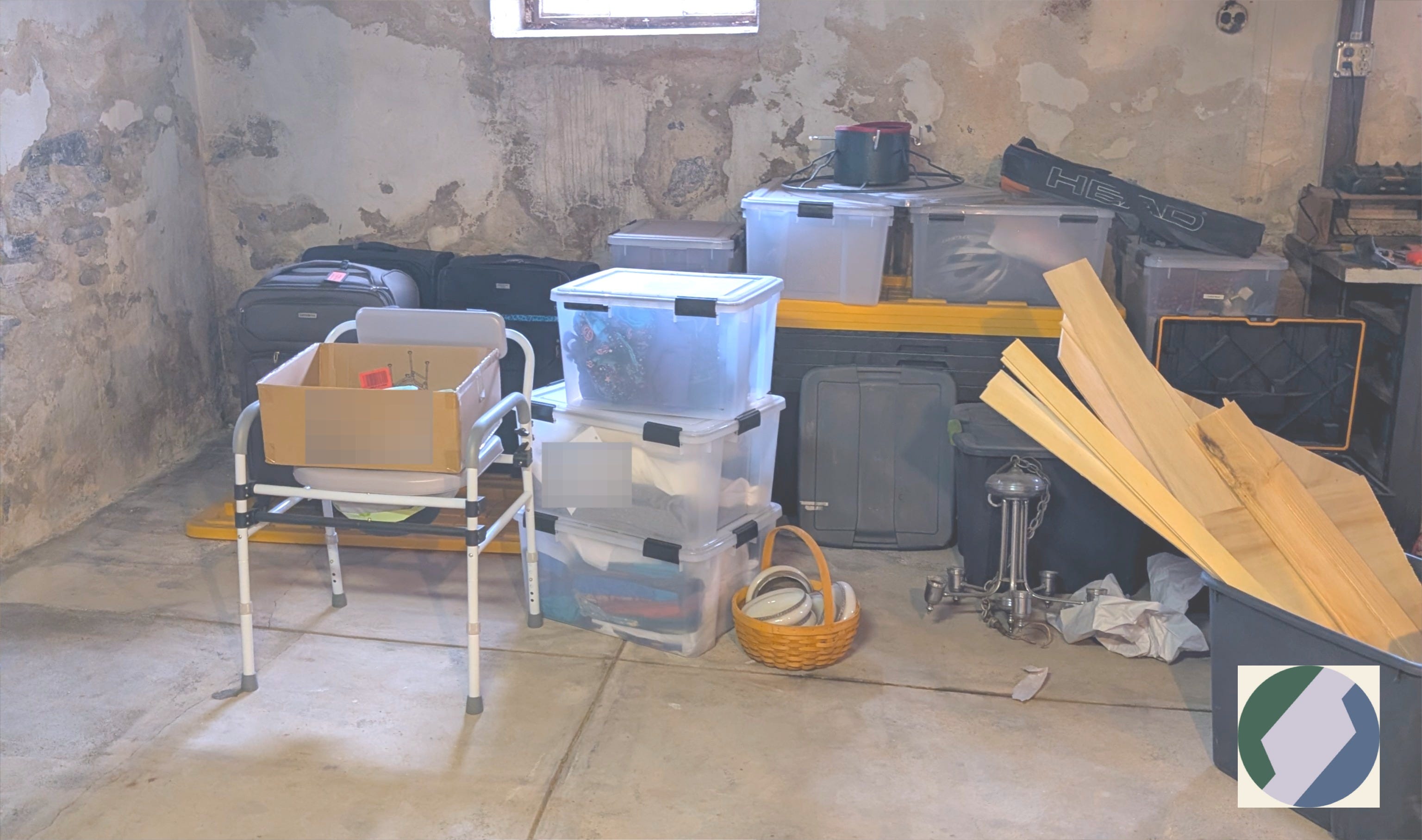

You solved the ‘can’t find it’ problem by getting organized. You bought the bins, the drawer dividers, the closet extenders. You know where everything is, but you somehow keep finding new things in your home.
“Oh I forgot about this…” you mutter to yourself
I wish I could say there’s an easy fix to this problem. I wish I could tell you ‘oh, just follow this plan and you’ll be free.’ If that were true, my profession would disappear overnight. We wouldn’t have shows like A&E’s Hoarders, Netflix’s The Home Edit or books like Marie Kondo’s The Lifechanging Magic of Tidying.
It takes a great deal of work to know the difference between enough and too much. Between needs and wants. Between building a home to support your purpose, and making a home that consumes your time.

Here’s How I Find My Enough
I’m far from perfect. I have shoes I barely wear, dresses for specific occasions, a bunch of beach towels for a once-a-year beach visit. But, and this is a big but, I’m constantly asking myself “is this something that I need, and how will it add value to my life?”
What problem am I trying to solve?
This is a process improvement question, pulled right from my work experience. Buying something should solve a problem, right? How often is that problem occurring? What is the impact of that problem? What would an ideal solution look like?
When I’m out in the wild, shopping at Costco or Target, and I see something I crave, something I covet, I allow myself to pick it up. I think “how will I use this, right now? where will it live? is the value it adds worth the expense, both $ and time managing the item.” There are a lot of times that thing goes back on the shelf. There are other times I snap a photo, so I can think about it more, when I’m safely back at home.
(I do this for my kids too. When my 5 year old swears she needs something, I let her take a photo so we can think about it, or save it for an upcoming birthday or holiday.)
What does my data say?
Each day, we physically handle hundreds of items. Each of those touchpoints is data. If I haven’t handled my whisk in 4 weeks, I relegate it from my daily drawer of utensils to a backstock location. If I’m walking to the bathroom every day to pick up the hairbrush and bringing it to the living room, then it doesn’t belong in the bathroom.
I think (probably an unnecessarily large amount) about the data in my life. Am I consistently running out of mugs before emptying the dishwasher? Okay, I might need some more. Do I always reach for the same jacket, regardless of the weather? Okay, I might be able to donate some, even if I love them.
Unused items = excess inventory = waste.
Items in the wrong location = increased motion and transportation = waste.

Try it yourself
What problem am I trying to solve?
What data do I have on this item?
By asking yourself these questions on repeat, you will slowly declutter in a way that doesn’t feel overwhelming, and you’ll reduce the flow of new items to your home.
